
modern bathroom mirrors with lights
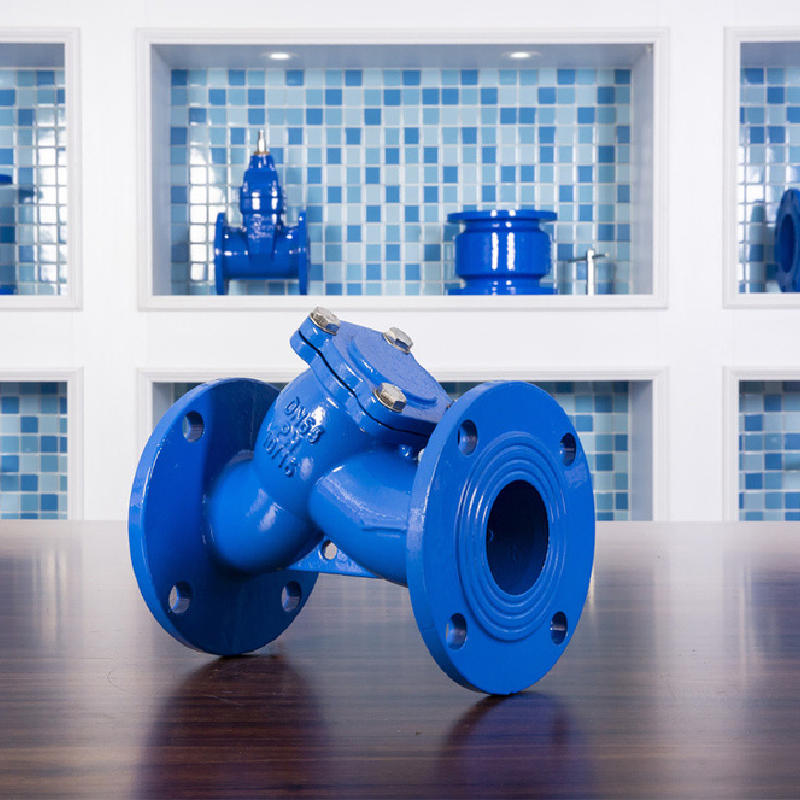
How to Adjust a Water Pressure Reducing Valve A water pressure reducing valve (PRV) is a critical component in plumbing systems, particularly in areas where the municipal water supply pressure is too high. These valves help to regulate and lower the incoming water pressure to a safe and manageable level. Adjusting a PRV can improve the performance of your plumbing fixtures, extend the lifespan of your appliances, and enhance water efficiency. Here’s a step-by-step guide on how to adjust a water pressure reducing valve effectively. Understanding the Valve Before you begin the adjustment, it’s essential to understand how a PRV works. The valve typically has an adjustment screw or knob that controls the spring mechanism inside. This mechanism regulates the pressure of the water that passes through the valve. Tools You’ll Need - Adjustable wrench or pliers - Pressure gauge (for accurate measurements) - Screwdriver Step 1 Check the Current Pressure Before making any adjustments, you should determine the current water pressure in your system. To do this, attach a pressure gauge to an outdoor faucet or any other accessible water outlet. Turn on the water and note the pressure reading. The ideal household water pressure usually ranges between 40 to 60 psi (pounds per square inch). Step 2 Locate the PRV Identify the location of your PRV. It’s typically found near the main water supply line, often close to the water meter. The valve may look like a bell-shaped device or a cylindrical body. how to adjust water pressure reducing valve Step 3 Make Adjustments Once you have located the PRV and noted the current pressure, you can proceed with the adjustment 1. Loosen the Lock Nut If your PRV has a lock nut, use your adjustable wrench to loosen it, allowing you to turn the adjustment screw comfortably. 2. Adjust the Screw To increase the water pressure, turn the adjustment screw clockwise. To decrease the pressure, turn it counterclockwise. Make small adjustments (about a quarter turn) and re-check the pressure after each adjustment using the pressure gauge. 3. Recheck Pressure After making your adjustments, turn on a few faucets in your home to allow the system to stabilize. Take another reading with the pressure gauge to ensure the pressure is within your desired range. Step 4 Secure the Adjustment Once you have achieved the desired pressure, remember to tighten the lock nut on the PRV to keep the adjustment secure. Conclusion Adjusting a water pressure reducing valve is a straightforward process that can greatly benefit your plumbing system. By ensuring that you maintain an appropriate water pressure, you can optimize the efficiency of your plumbing fixtures and appliances. Regular checks and adjustments can help prevent leaks and damage, ensuring a longer lifespan for your plumbing system. If you encounter persistent issues or are unsure about the adjustments, don’t hesitate to consult a professional plumber for assistance.
about
modern bathroom mirrors with lights
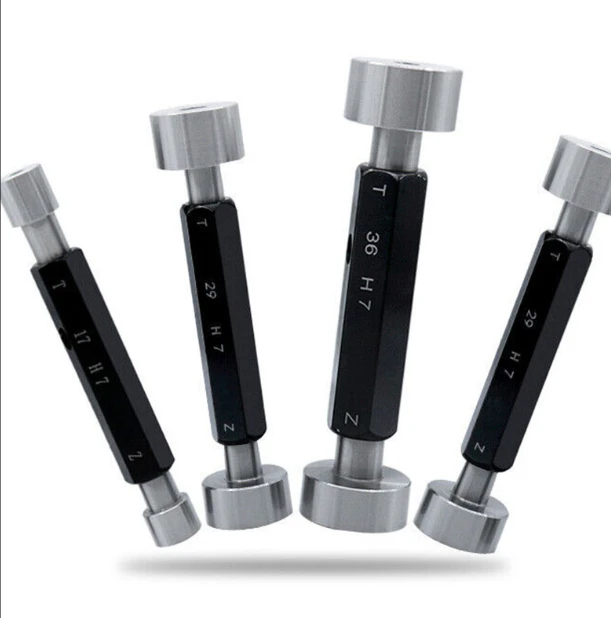
Understanding the Thread Plug Gauge 6g Essential Tool for Quality Control In the realm of manufacturing and engineering, precision is paramount. One of the critical aspects of ensuring quality in threaded components is the usage of thread gauges. Among these, the thread plug gauge, particularly designated as 6g, plays a significant role in verifying the accuracy and functionality of threaded parts. This article delves into the importance, specification, and application of the thread plug gauge 6g. What is a Thread Plug Gauge? A thread plug gauge is a specialized measuring tool used to check the pitch diameter and, in some cases, the major diameter of internal threads. Unlike other thread measuring instruments, a plug gauge is designed to fit into a tapped hole, allowing manufacturers to assess whether the threads conform to specified tolerances. Thread plug gauges are referred to by their tolerances—such as 6g—indicating the precision limits they are designed to meet. Understanding the 6g Tolerance The designation 6g refers to a specific tolerance class in the metric thread system, which is governed by international standards like ISO and DIN. The 6 signifies the basic size, while the g indicates the tolerance grade. In the context of internal threads, a 6g tolerance indicates a medium degree of fit, suitable for many applications where moderate precision is acceptable. This tolerance class is particularly common for general engineering applications, providing a balance between ease of assembly and reliability in operation. Importance of Using 6g Thread Plug Gauges Utilizing a 6g thread plug gauge is essential for ensuring the integrity of threaded components . Here are the primary reasons why this tool is pivotal in manufacturing thread plug gauge 6g 1. Quality Assurance Measuring the internal threads with a 6g plug gauge helps ensure that parts meet the design specifications. This guarantees the components will fit correctly during assembly, preventing issues related to misalignment or mechanical failure. 2. Efficiency in Production With the ability to quickly assess the dimensional accuracy of threaded holes, production times can be optimized. A straightforward and reliable measurement process allows for rapid feedback and adjustment, ensuring the manufacturing process remains efficient. 3. Interchangeability Standardized thread dimensions promote interoperability between various suppliers and manufacturers, which is particularly crucial in industries like automotive and aerospace where precision is key. The 6g tolerance allows for the assurance of part compatibility. 4. Cost-Effectiveness By reducing the likelihood of defects and rework, using a 6g thread plug gauge contributes to lower production costs. A proactive approach to quality assurance minimizes waste and maximizes resource utilization. Applications Across Industries Thread plug gauges, including the 6g type, find applications in a diverse range of industries. From automotive manufacturing to aerospace engineering, and even in machinery, these gauges ensure that components like bolts, screws, and other fasteners meet necessary standards. Their use is not limited to large-scale production; they are equally valuable in small workshops where precision machining takes place. Conclusion In conclusion, the thread plug gauge 6g stands as a vital instrument in the toolkit of quality assurance within manufacturing. Its role in verifying the accuracy of internal threads helps ensure product reliability while maintaining operational efficiency. As industries continue to evolve, the significance of precision measurement tools like the 6g thread plug gauge cannot be overstated. Understanding and utilizing this gauge is essential for manufacturers striving for excellence and consistency in their products. Whether in the design phase or during production, the thread plug gauge 6g proves indispensable for achieving high-quality outcomes in threaded components.
-

High quality industrial productsagement

High quality industrial products
View Details -

Meet the diverse needs of customers

Meet the diverse needs of customers
View Details -

Strict quality control

Strict quality control
View Details -

Top raw materials

Top raw materials
View Details -

Trusted supplier

Trusted supplier
View Details
Our application

news and information

Valve Solutions for Industrial Applications _ Precision Engineering & Innovation
The Evolution of Valve Technology in Modern Industries In recent years, valve technology has become

vandkontrolventil 3 4
Vandprocent Tjekventil 3/4 En Nødvendighed i VVS-Installationer I enhver VVS-installation er der ele
water valve main
Understanding Water Valve Main Key Components and Importance Water valves are critical components in
 English